Magical Rovaniemi
The Voice of Place, the Subconscious, and the Invisible Dimension of Architecture

Across cultures and centuries, humanity has produced buildings and spatial compositions whose influence remains palpable, even when the precise techniques or intellectual frameworks behind them have faded from memory. Mandalas, the geometry of the Egyptian pyramids, the spatial dramaturgy of the Luxor Temple — these works embody order, proportion, and a quality that might be described as an inner coherence or latent energy. One senses not only mastery of construction, but mastery of meaning.
The essential question, therefore, is not merely one of structure or form. It concerns that intangible dimension which allows a building to transcend utility — the element that transforms construction into architecture, and object into symbol.
The Subconscious Dimension of Creative Emergence
Canadian architecture professor Norman Pressman has outlined the emergence of architectural ideas through eight theses that appear strikingly resonant in today’s technologically saturated culture. According to Pressman, architecture is shaped by topography, vegetation, shelter, orientation, the interplay of light and shadow, openness, the balance between interior and exterior space, and heritage.
These categories extend beyond functional considerations. They operate within the subconscious realm. Architectural ideas do not arise in isolation; rather, they emerge through a dialogue with landscape, cultural memory, and what might be termed the energetic field of place. The site itself exerts agency, guiding both direction and resolution.
Pressman’s emphasis on heritage is particularly significant. The future cannot be meaningfully constructed in disregard of the past. Historically, Northern cultures developed in intimate alignment with the natural environment, negotiating coexistence rather than domination.
The Reconstruction of Rovaniemi
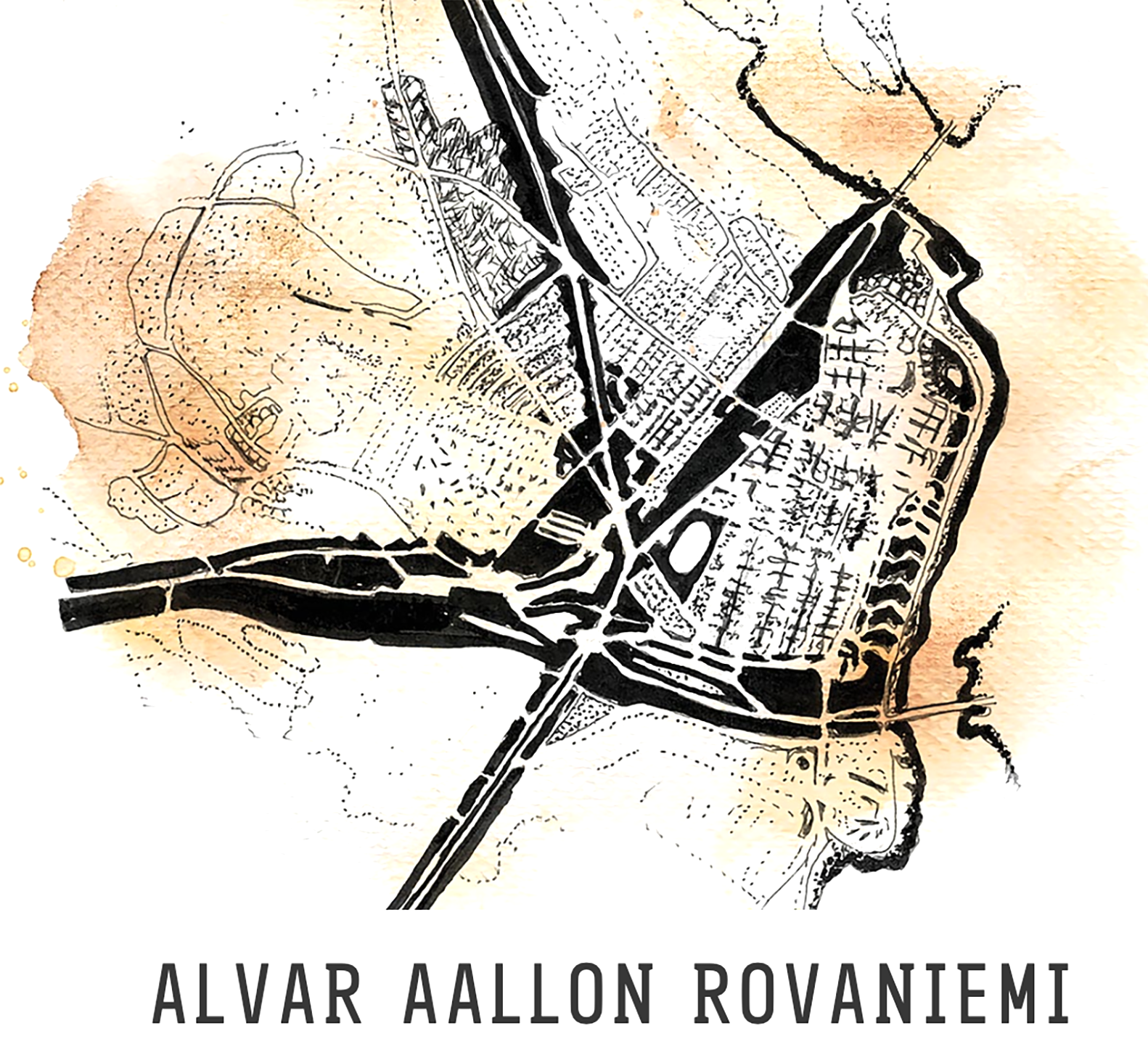
A compelling manifestation of these principles can be observed in Rovaniemi. In the spring of 1945, retreating German forces burned the city almost entirely to the ground; only three buildings survived. The task of reconstruction was entrusted to the eminent Finnish architect Alvar Aalto.
In the remnants of the destroyed street network, Aalto discerned more than devastation. He perceived an underlying form — one resembling the head of a reindeer — and developed from this intuition the well-known “Poronpää” town plan. The resulting urban structure, shaped metaphorically as a reindeer’s head, was not merely a formal gesture. It constituted an act of spatial identity-making, embedding the symbolic vocabulary of Lapland within the city’s renewed fabric.
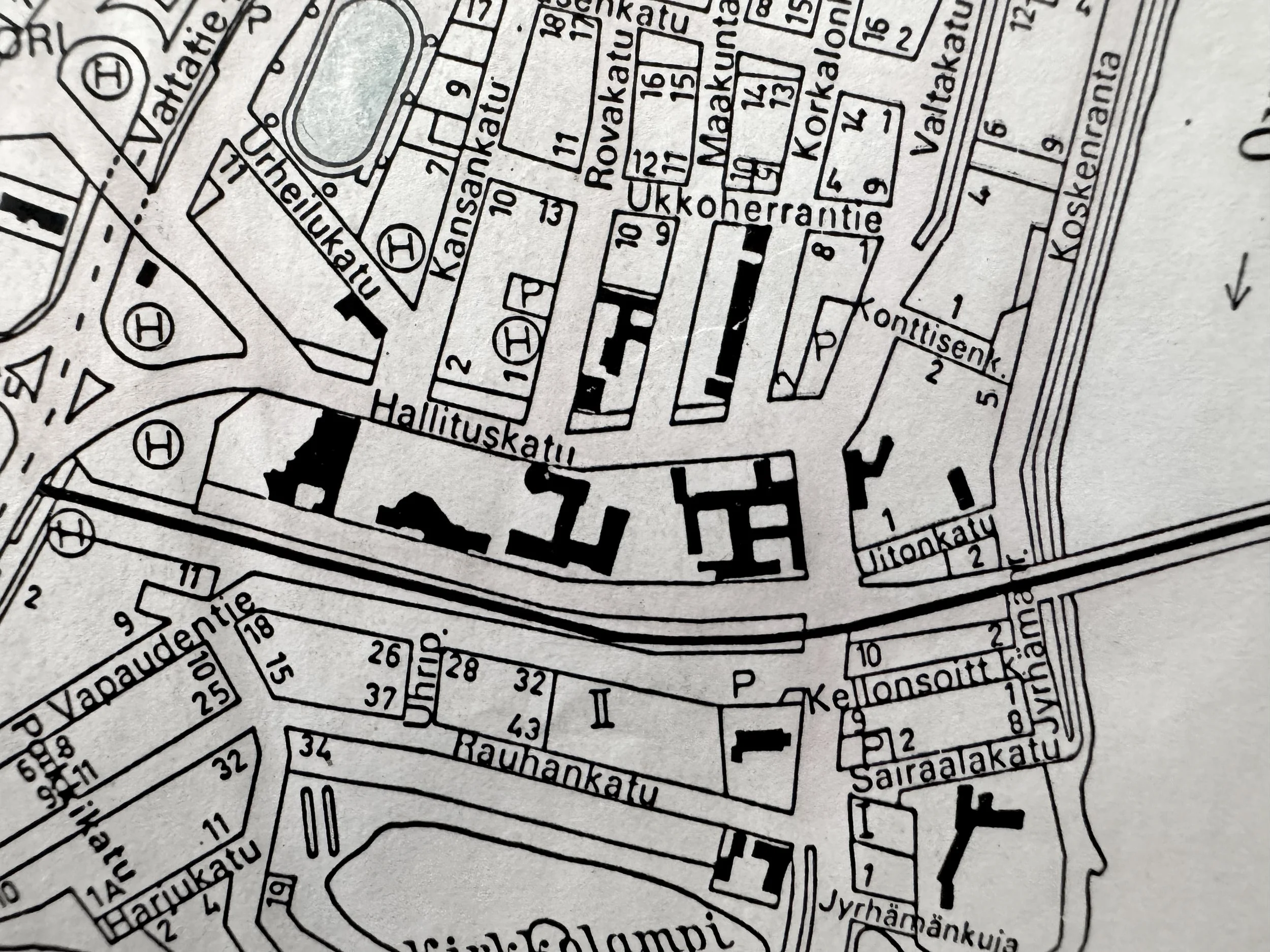
At the urban core, a central axis gradually took shape through the construction of the theatre, the library, and the city hall, completed over approximately three decades. Their spatial arrangement and configurational logic generate a pronounced sense of signification — as though the buildings function not only as civic institutions but also as spatial hieroglyphs.
Sámi Cosmology and Spatial Correspondence
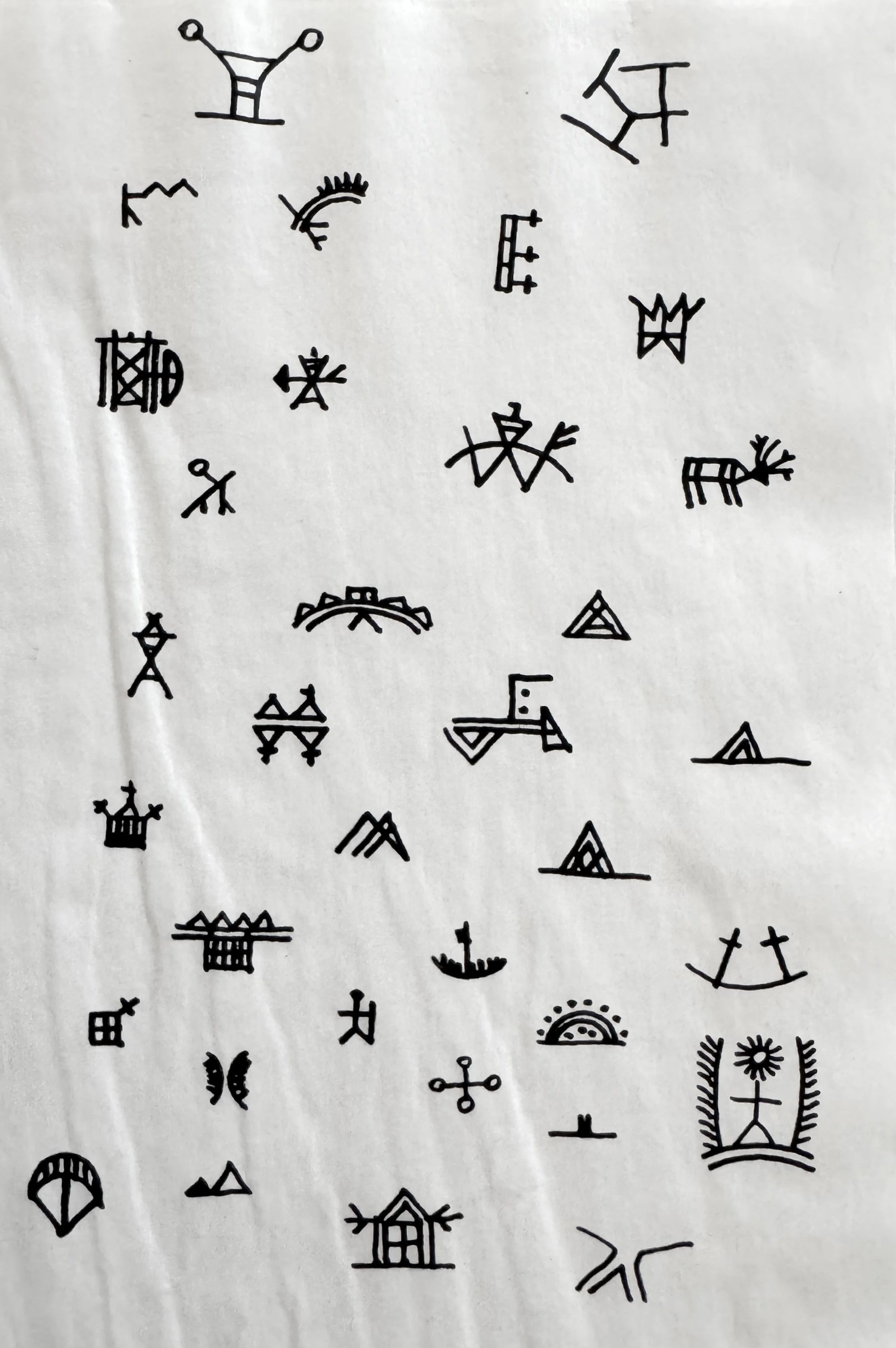
Within Sámi tradition, the shaman’s drum was not conceived as a musical instrument in the modern sense but as a cosmographic device — a symbolic map of the world. Inscribed upon its oval membrane were signs denoting power, danger, journey, community, and justice. Notably, Rovaniemi’s library houses Ernst Manker’s study Die Lappische Zaubertrommel, a foundational examination of Sámi drum symbolism.
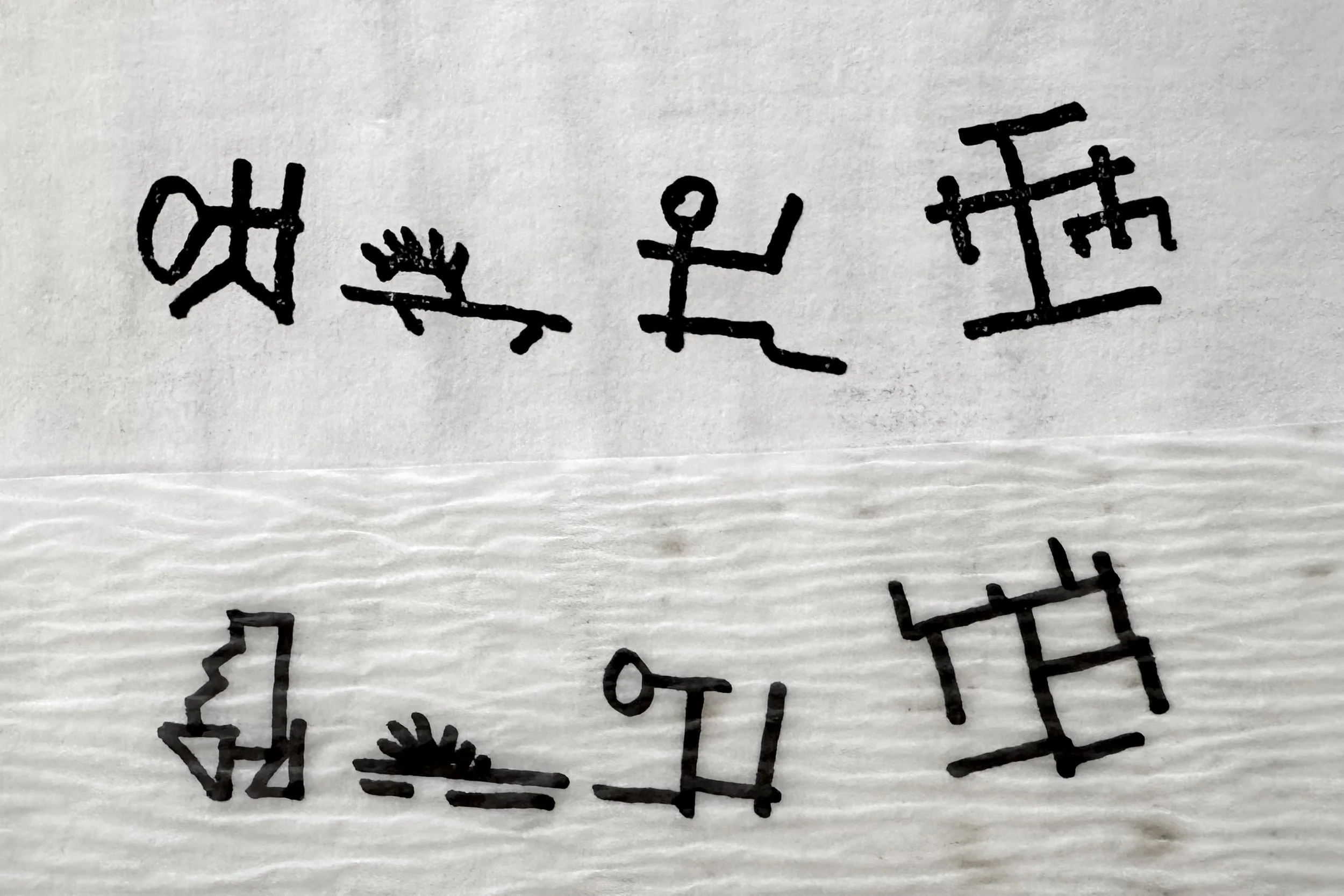
A comparison between the simplified ground plans of Rovaniemi’s central buildings and the symbolic motifs found on Sámi drums reveals compelling analogies. The theatre’s plan recalls the figure of a shaman holding a drum; the library’s configuration evokes the migration route of reindeer traversing hazardous terrain; the city hall corresponds to the drum’s central emblem — the seated ruler with a raised hand. Even the police station, although not designed by Aalto, suggests the form of scales, an enduring symbol of justice.
Such correspondences may not constitute deliberate iconography in a literal sense. Yet they point toward a deeper alignment between architecture and collective memory — an indication that spatial form can resonate with cultural archetypes embedded within the subconscious. In this sense, Rovaniemi’s reconstruction may be understood not only as an urban project, but as a re-inscription of meaning into landscape.